
05-12-2025
GLP-1s’ Impact On Eating Away-From-Home: Cravings, Portions, Opportunities
With the New York Times’ and Nation’s Restaurant News both publishing stories about GLP-1s this week, we couldn’t help but put together a bit of thinking on our part.
Mattson has been tracking the drugs’ use and resulting behaviors since December 2023 and, it turns out, we have a lot to say. First, we believe that–like any trend or innovation–you must understand your consumer first. That’s where our research can help. Once you know how these weight loss drugs work, you’ll understand the changes to appetite, cravings, and portions.
We believe the foodservice industry has been slow to react to acknowledging that these blockbuster drugs change behavior. But the positive side is that we believe there are many and varied opportunities for operators and suppliers alike.
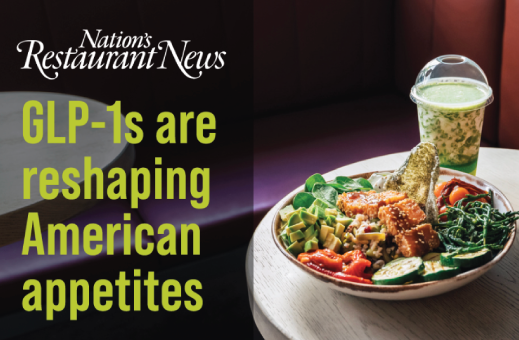
The country’s daily “restaurant bible” is Nation’s Restaurant News, whose Senior Food & Beverage Editor Bret Thorn recently interviewed a few Mattson team members to see what we know and think about how GLP-1s impact food and beverage behavior.
Here’s an excerpt:
“I’ve heard people [on GLP-1s] say their new midnight snack is cucumber or apple slices,” said Emily Auerbach, innovation manager at Mattson, a Silicon Valley-based insights, strategy, and product development firm. “That’s a craving — it’s just a different kind of craving than we’re used to.”
Mattson has tracked the behavior of a panel of 75 people using GLP-1s, and the way they interact with food has changed.
GLP-1s, with brand names like Ozempic and Wegovy, work by slowing the movement of food through the digestive tract — keeping it in the stomach longer — and also affecting the brain’s reward centers related to food.
Barb Stuckey, Mattson’s chief new product strategy officer, said panelists have discussed how “they have different behaviors and different preferences for food and beverages, and they don’t even know why it’s happening. … It seems to me like these drugs are teaching people to eat healthier food.”
Specifically, according to Mattson’s panel, the medications make their users less inclined to eat red meat, spicy food, fatty and fried food, salty food, and desserts.
They’re also less interested in alcohol, which can result in severe hangovers even if GLP-1 users drink them in small quantities, as well as caffeinated drinks, which can upset their stomachs, and carbonated beverages, which make them feel too full.
“Things like fatty, spicy [food], sometimes dairy, are very irritating,” Mattson’s chief innovation officer Katie Hagan said. “It makes them nauseous. It makes them uncomfortable, and so they’re veering away from them and are gravitating to foods which are leaner, lighter, maybe soothing to their belly.”
(Printed with permission from Bret Thorn, Nation’s Restaurant News)
We can help you understand consumer behavior around away-from-home dining, and assist in crafting a strategy around menu and product opportunities that GLP-1 users will love… versus casting their veto vote.
Reach out to Contact@MattsonCo.com